Home » Posts tagged 'insects'
Tag Archives: insects

Corn Leafhopper Detected in Southwest Oklahoma – What Growers Need to Know to Reduce Risk of Corn Stunt Disease
Maíra R. Duffeck: OSU Field Crops Extension Pathologist, Department of Entomology and Plant Pathology
Ashleigh Faris, OSU Field Crops Extension Entomologist, Department of Entomology and Plant Pathology
On June 5, 2026, the first corn leafhoppers of the year were detected in a corn field near Fort Cobb in Caddo County, Oklahoma. The insects were collected from grain corn by Dr. Maira Duffeck’s Row Crop Pathology team, and its identification was subsequently confirmed by Dr. Ashleigh Faris, OSU State Extension Entomologist for Cropping Systems.
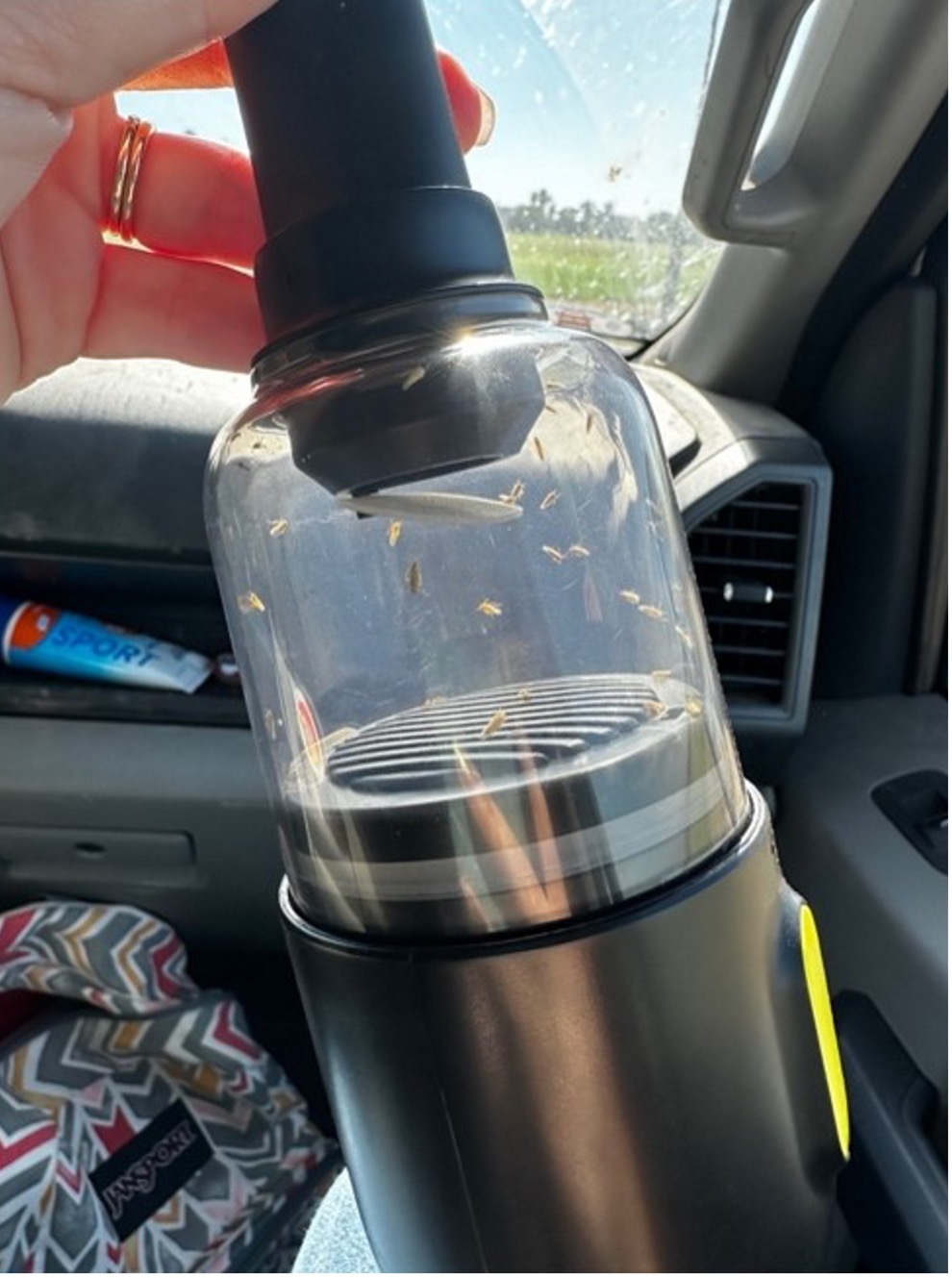
The two corn leafhoppers specimens were collected from within the whorls of V6-stage corn plants during routine field scouting. Specimens were collected using a cordless vacuum for identification and documentation. In addition, one corn leafhopper was captured on a yellow sticky trap installed at the edge of the field. The trap has been monitored and replaced weekly since planting as part of ongoing surveillance efforts.
This 2026 detection occurred 18 days earlier than the first corn leafhopper detection reported in Oklahoma during 2025. Due to delayed planting associated with drought conditions, much of the corn across the state is currently at vegetative growth stages compared to this same time last year. This situation raises concerns about the potential transmission of corn stunt pathogens by corn leafhoppers.
Research outside of the U.S. has shown that corn plants are most susceptible to infection by corn stunt pathogens during the vegetative growth stages, from emergence (VE) through tasseling (VT). However, infection can also occur during the early reproductive stages. Early infection can result in significant yield losses because affected plants have a longer period to develop symptoms and experience reductions in growth and grain production.
It is not yet known if the corn leafhoppers detected in Oklahoma are carrying corn stunt pathogens, therefore growers should assume that any corn leafhopper has the potential to be infectious. Consequently, management efforts should focus on early detection and suppression of corn leafhopper populations, particularly in fields with corn at vulnerable vegetative growth stages. Regular scouting and timely management decisions will be critical for reducing the risk of corn stunt development during the 2026 growing season.
The Insect Identification
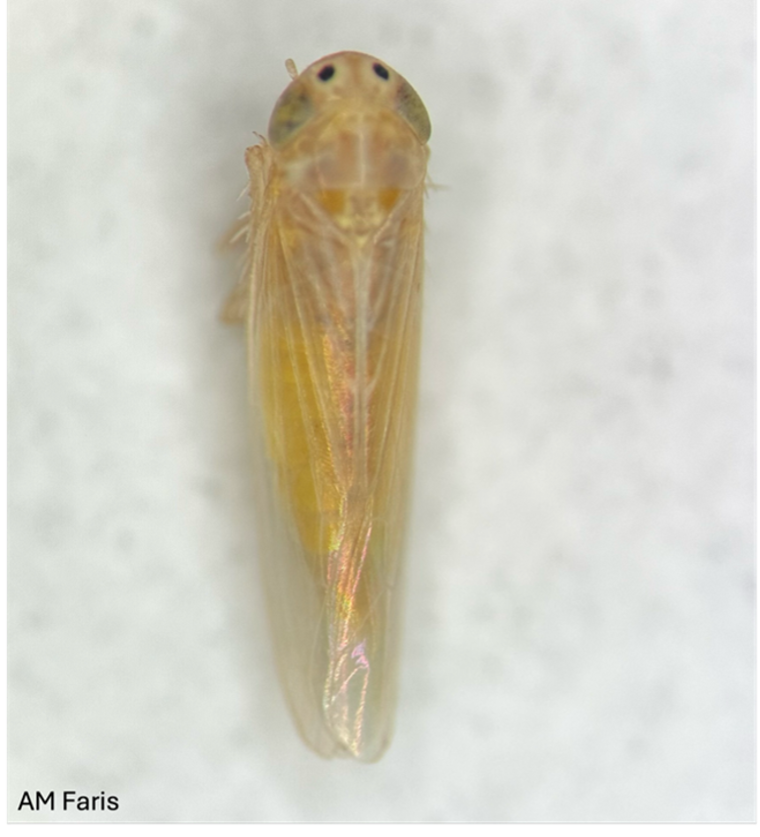
The corn leafhopper is a small insect, approximately 1/8 inch long (about the size of a grain of rice), with a yellow to tan body color. Adults are characterized by two small black spots surrounded by lighter-colored halos located between the eyes (Figure 1), as well as a clean face meaning there are no additional markings on the head or body. It is important to note that many leafhopper species also possess two spots between their eyes, however, these other leafhoppers will also have other dark marks on their head and/or face.
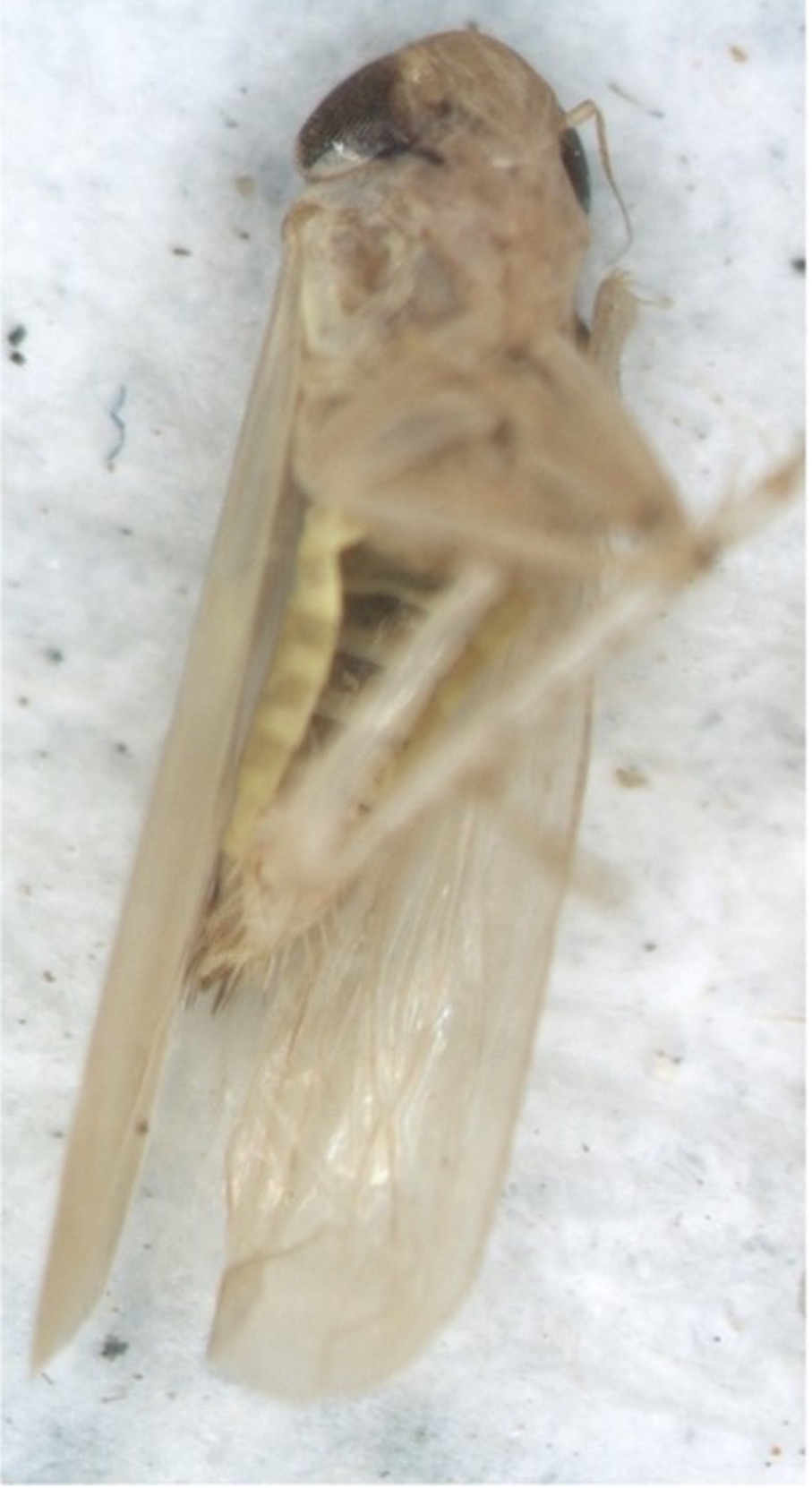
To distinguish corn leafhoppers from other leafhopper species, look for the combination of the two black spots with halos and the absence of additional markings. Corn leafhoppers do not have spots, stripes, or other markings on their wings, back, abdomen, face, or the top of the head (Figure 2). For mor information on how to distinguish the corn leafhopper from other commonly occurring leafhoppers see OSU e-Pest Alert EPP-25-24.
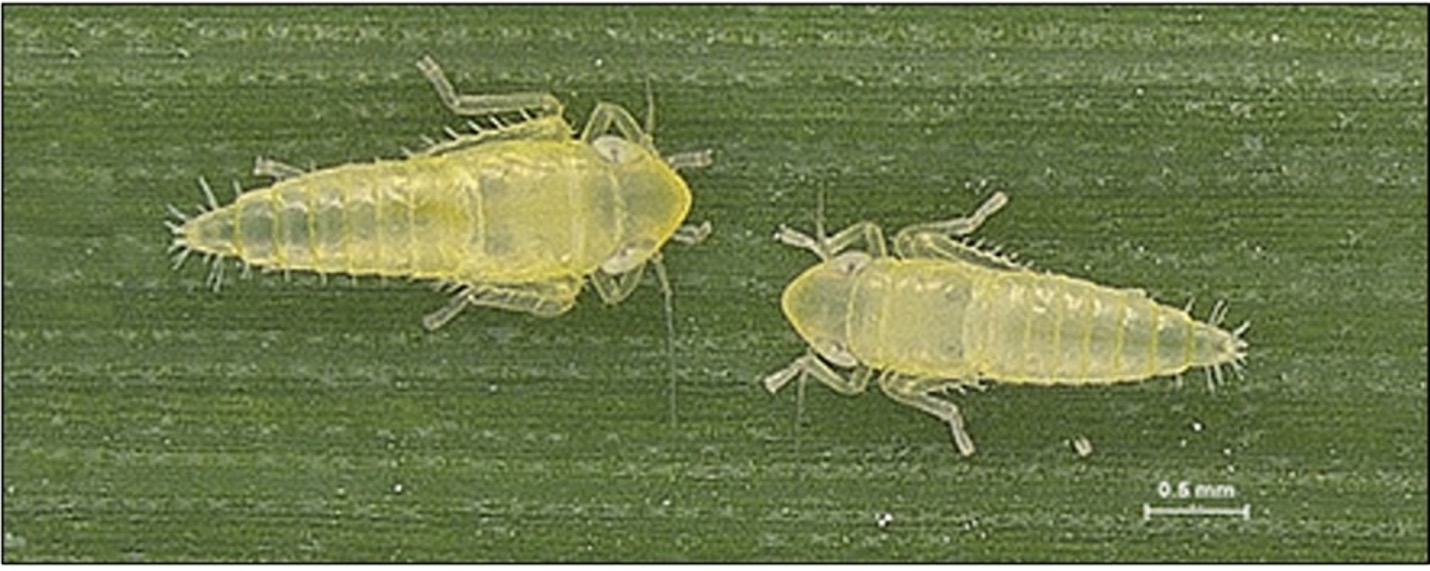
The immature or nymphal stage is wingless and resembles a smaller version of the adult. Nymphs may also lack the characteristic black spots and halos found on adults (Figure 3), making identification more challenging.
For additional information on corn leafhopper identification, biology, life cycle, and its role in transmitting corn stunt pathogens, see OSU E-Pest Alert EPP-23-17 and OSU e-Pest Alert EPP-25-29.
Scouting Tips and Guidance
Corn leafhoppers can be difficult to detect due to their small size, preference for hiding deep within the whorls of developing corn plants, and their rapid darting movement when disturbed. Because of these behaviors, effective scouting requires a combination of methods, including vacuum sampling, sweep net sampling, and direct visual inspection. Check the borders and edges of corn fields first as this is where most early migrators will be found.
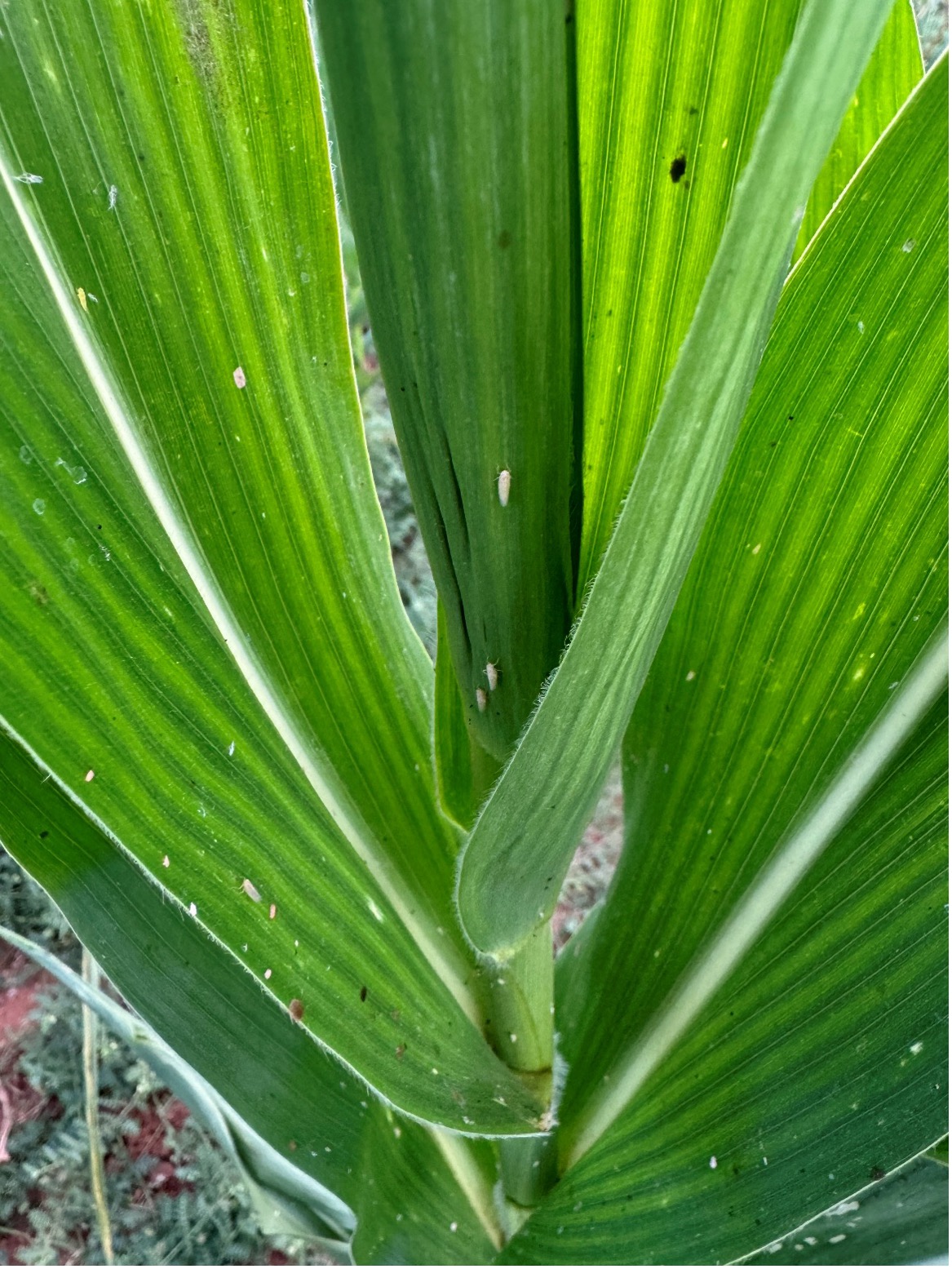
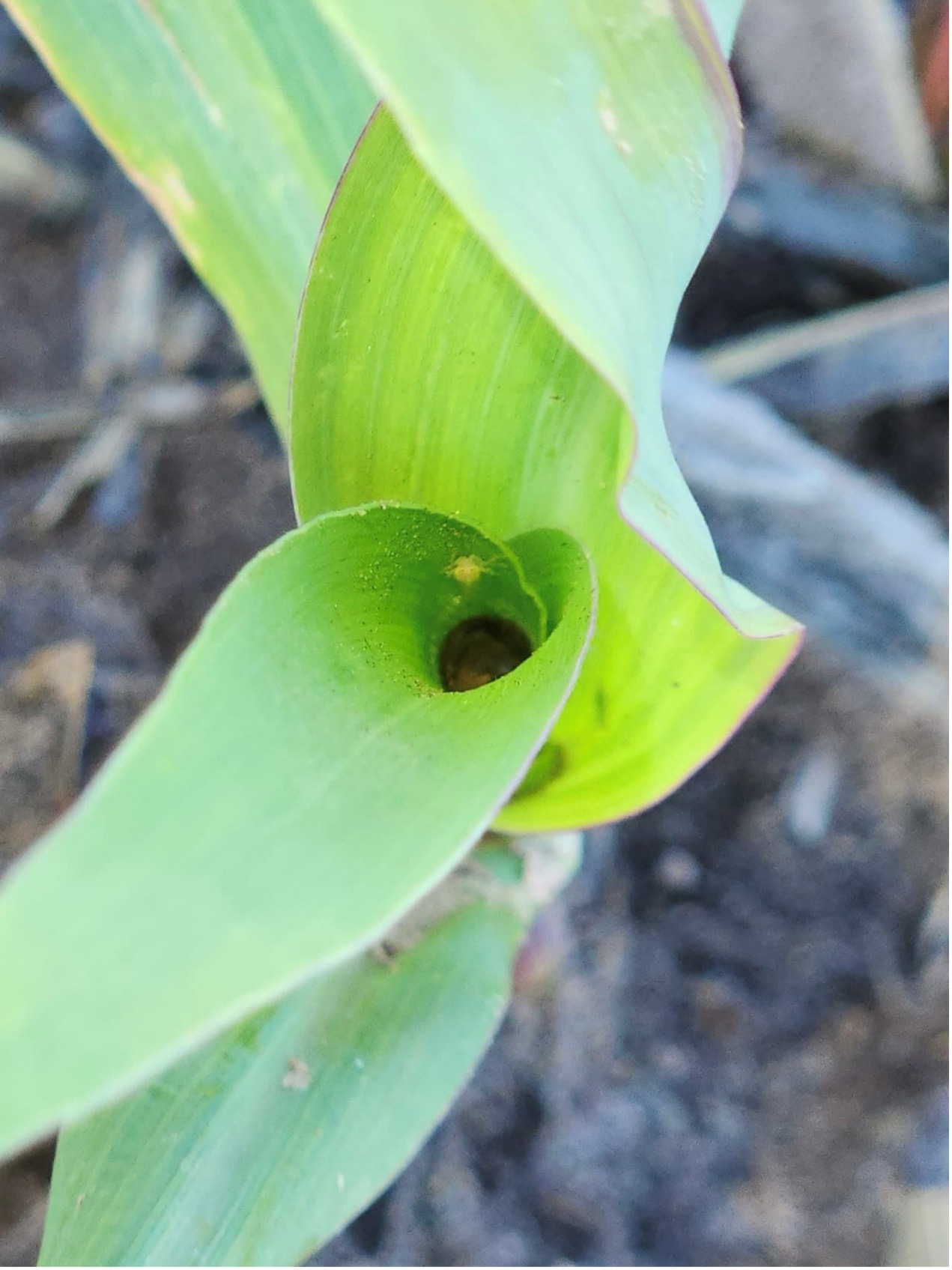
During vegetative growth stages, plants should be carefully examined by inspecting the whorls, where corn leafhoppers often remain concealed (Figure 4 and 5). Individuals may be dislodged from the whorl using a cordless vacuum (Figure 6) or cordless leaf blower equipped with thigh high stockings to capture collected leafhoppers. Vacuum several whorls, randomly at the field borders, moving into the interior of the field.
Sweep net sampling is another useful scouting tool. When walking through corn rows, the net should be swept side-to-side in a figure-eight motion over the canopy and across plants on both sides of the row. After several sweeps, the net should be carefully closed, and contents slowly examined for the presence of corn leafhoppers. As the crop transitions into reproductive stages, sweep netting should be adjusted to target the lower portion up to through the upper and mid-canopy by sweeping up and down along the sides of the corn plants.
Visual inspection remains an important component of scouting throughout both vegetative and reproductive stages. In vegetative corn, focus on whorl inspection. As the canopy closes and plants reach reproductive stages, examine the underside of leaves where leafhoppers may congregate. Check the underside of lower leaves for nymphs. When entering a field, pause periodically to allow leafhoppers to settle, then slowly observe surrounding plants before moving forward.
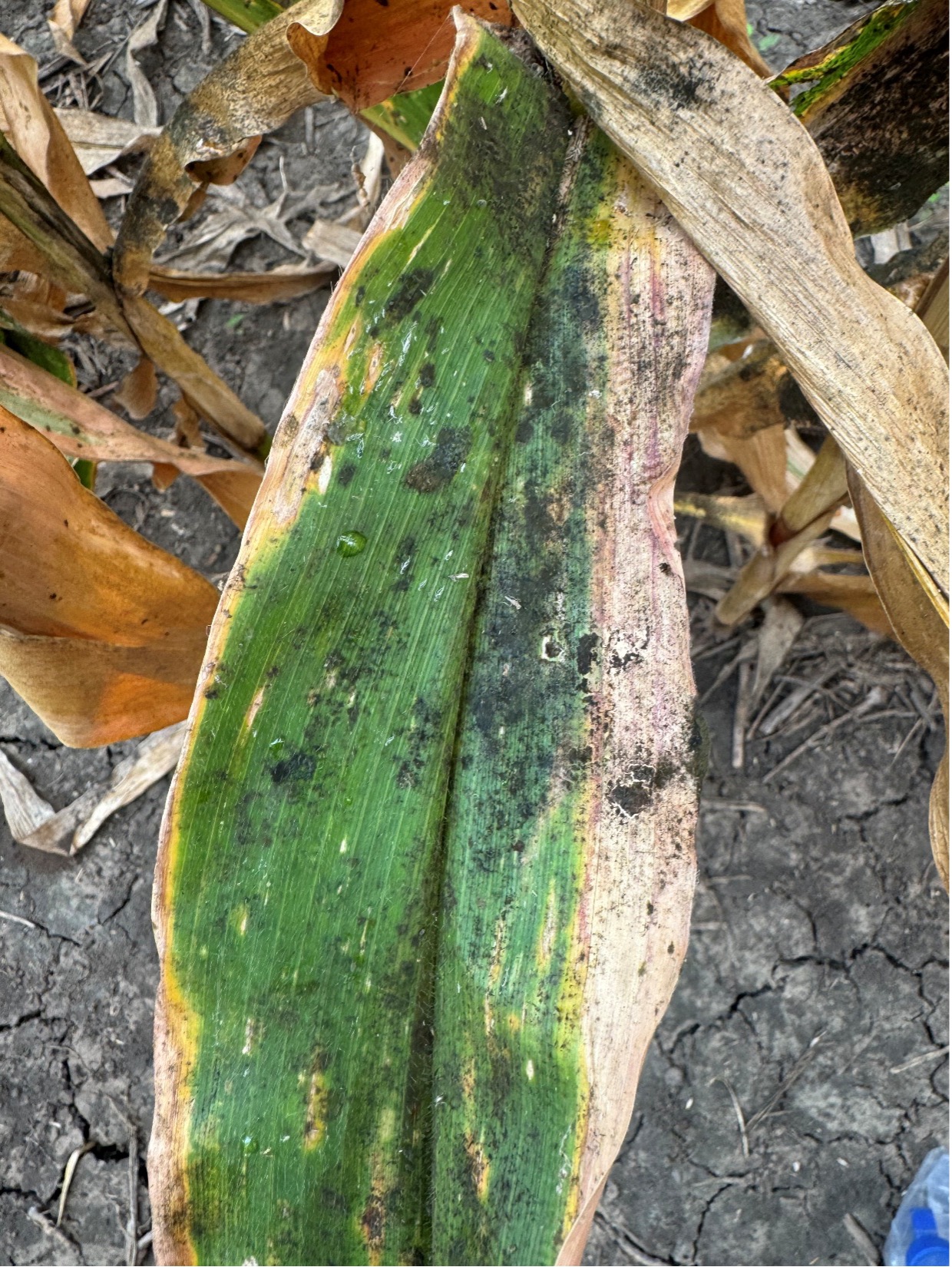
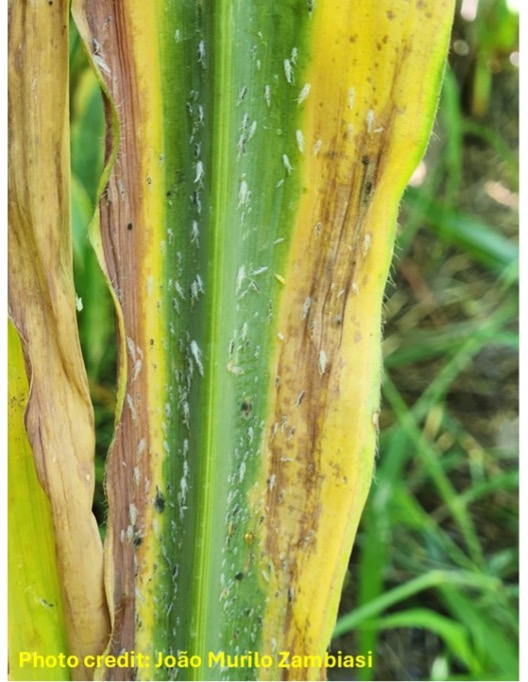
In addition to the insects themselves, other indicators of corn leafhopper presence include honeydew deposits, which appear shiny and feel sticky, the development of black sooty mold growing on honeydew (Figure 7), and the presence of white or translucent cast skins (exuviae) resulting from molting (Figure 8).
Current Integrated Pest Management (IPM) Guidance for Corn Leafhoppers
Pre-planting and Planting Decisions
There are currently no known corn stunt resistant hybrids available on the U.S. market. In areas where volunteer corn is present, growers should remove it as this vegetation serves as a reproductive resource for the insect and a potential reservoir for corn stunt pathogens. When possible, growers are encouraged to plant corn early, as this will help reduce the likelihood of corn being planted when corn leafhoppers are present. In areas where corn leafhoppers will be present at planting, growers should use a high insecticide seed treatment containing Cruiser® Corn 1250 or Poncho® 1250 to allow for protection of early vegetative stages. Trials conducted by Texas A&M AgriLife Research and Extension indicate that 500 and 1250 rates of the insecticide seed treatments suppress corn leafhopper adults through V5 and suppress nymphs (or egg laying) at least until V10. The higher 1250 rates of insecticide seed treatment outperformed the lower 500 rates.
Scout for the Corn Leafhopper
Follow the scouting guidance outlined above to monitor for the insect. Due to the efficiency of corn leafhoppers in transmitting pathogens associated with corn stunt disease, no economic threshold has been established at this time. As a result, growers are encouraged to manage corn leafhopper populations when they are detected in the field.
At present, the exact corn growth stage at which scouting should cease is not known. Previous guidance suggested continuing scouting through the V8 growth stage; however, based on past observations by state Extension personnel, recommendations have been extended to encourage growers to continue managing corn leafhopper populations through the R1 or R2 growth stages. More research is needed to determine the cutoff point for insect management under U.S. crop production conditions.
Chemical Control Options
Results from foliar insecticide efficacy trials conducted in 2025 by Dr. Ashleigh Faris at Oklahoma State University, and by personnel at Texas A&M AgriLife Research and Extension, provide insight into current foliar management options for corn leafhopper.
In these studies, pyrethroid insecticides and dimethoate were largely ineffective against corn leafhoppers. Foliar applications of indoxacarb at 8 – 10 fl. oz./A rate and flupyradifurone at 7 fl. oz./A rate provided up to 14 days of suppression for corn leafhopper nymphs. Thiamethoxam and lambda-cyhalothrin at 10 fl. oz./A rate provided similar nymph suppression for 14 days. If applying a foliar insecticide prior to tassel, applicators should not use a non-ionic surfactant (NIS) as an adjuvant. An NIS applied pre-tassel, particularly mid to late vegetative stages (V6-VT) can result in arrested ear development which causes “baby” or stunted ears/cobs with reduced or absent kernels, underdeveloped husks, poor or absent silk emergence and reddish/purple leaves These symptoms can appear like corn stunt disease symptoms; however, confirmation of corn stunt disease pathogens can only be done through molecular testing.
When selecting an insecticide, growers should prioritize products that are not broad-spectrum and that are less disruptive to beneficial arthropods, to preserve natural biological control in the agroecosystem. Insecticide applications should only be made when corn leafhoppers are confirmed to be present in the field being treated. As with all pest management decisions, the insecticide label must be followed; the label is the law.
Integrated pest management (IPM) recommendations for corn leafhopper will continue to evolve as additional research becomes available under Oklahoma growing conditions. Growers are encouraged to stay updated through future OSU Pest e-Alerts and to follow Cropping Systems Extension Entomologist Dr. Ashleigh Faris (@OSU_crop_insects) and OSU Field Crops Pathologist Dr. Maira Duffeck (@osu.plantpath) on Instagram for ongoing updates on corn leafhopper and corn stunt disease distribution in the state and results from 2026 insecticide efficacy trials.
Protect Your Emerging Stands: True Armyworm Movement from Maturing Wheat to Summer Crops
Ashleigh M. Faris, Cropping Systems Extension Entomologist & IPM Coordinator
As the Oklahoma winter wheat crop reaches maturity, producers and crop consultants should prepare for the annual migration of true armyworm larvae. While true armyworms are a common fixture in small grains, their movement out of maturing wheat and into newly emerged corn, soybeans, and sorghum can lead to stand thinning or loss if not monitored closely.
True Armyworm Migration Timeline
True armyworm moths typically migrate into Oklahoma from the south in early spring with infestations typically occurring in late April through the first two weeks of May. The first generation is typically laid in winter wheat. Once the larvae currently finish their development in wheat, they will soon seek new food sources as the wheat crop dries down. This transition period is the most critical time for scouting summer crops, especially those adjacent to wheat fields.
True Armyworm Life Cycle and Identification
Armyworms overwinter as pupae or as mature larvae which pupate in the spring. Moths emerge in the spring, mate, and lay eggs in masses on hosts plants (mostly in the grass family). Female moths deposit their eggs in low-lying areas on wheat or pasture ground, as well as field margins or fields with dense, grassy weeds like Johnson grass. Larvae feed for about 4 weeks but do most of their damage during the last 10 days of this period. They then pupate in the soil. A new generation of moths emerges about 1 week later. There are 4 generations per year in Oklahoma.
True armyworms have a smooth body and can be variable in color, ranging from green, tan, orange, and black, with distinct pale orange or reddish stripes running along the sides (Figure 1). A key identifier is a dark diagonal band on each of the abdominal prolegs; there are four pairs of prolegs (Figure 2). The head capsule is light brown with a distinct “net-like” or honeycomb pattern of dark lines (Figure 2).
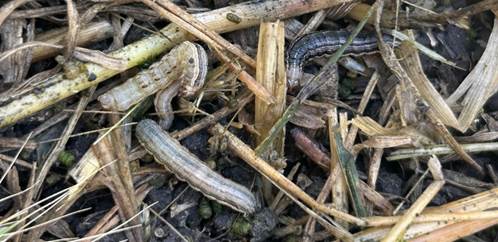
Figure 1. Four true armyworm larvae. One is dark (right) and three are light colored (left). Photo by Ashley Dean, Iowa State University Extension.
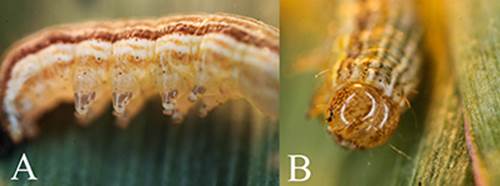
Figure 2. True armyworm. A) Dark band on prolegs. B) Orange head capsule with dark net-like pattern. Photos by Adam Varenhorst, Iowa State University Extension.
True Armyworm Management Cutoff in Wheat
A common question during this window is whether to treat armyworms in maturing wheat. Once wheat reaches the soft dough stage, the crop has generally accumulated its yield. Unless larvae are actively head-clipping (cutting the wheat heads off the stems), chemical control is rarely economical at this stage. Instead of treating the wheat, focus on young stands of summer crops. As wheat turns brown, larvae will move toward the nearest green tissue—often your emerging corn or sorghum.
Scouting, Damage, and Economic Thresholds for Summer Crops
Armyworms are whorl feeders in grass crops like corn and sorghum and will also feed on soybean leaves. True armyworms hide in the soil, crop residue, or whorls during the heat of the day and feed at in the early morning, evening or late when it is cool outside. When it is warm, larvae will hide in the soil, crop residue, or the whorl of corn plants. Large larvae consume more tissue but will generally be done feeding in a few days. Insecticides should target young, small larvae that will be feeding for a long time; however, you may see a range of larval sizes in a single field.
Corn, Sorghum, and Soybean Damage
True armyworm feeding typically begins at the leaf edges, leaving ragged holes and edges (Figure 3). As this leaf tissue is removed, the larvae will move to the upper leaves and continue feeding. True armyworms do not tunnel into the stalk and generally do not feed on the growing point of larger corn and sorghum plants. While not the preferred host, true armyworms will move into soybeans if no grasses are available. Larvae typically cause defoliation (Figure 4); however, soybeans are quite resilient to early-season leaf loss, but scout for stand-thinning if larvae are clipping seedlings.
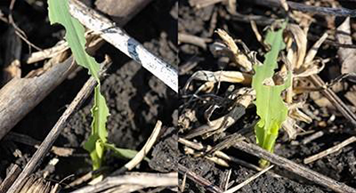
Figure 3. True armyworm feeding on young corn plant. Photo by Adam Varenhorst, Iowa State University Extension.
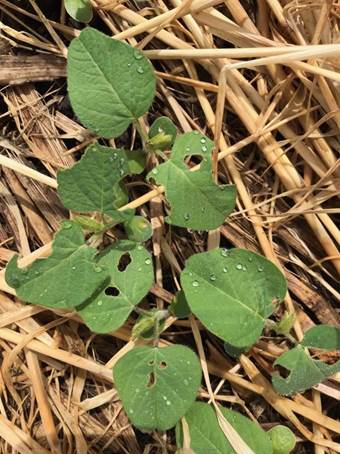
Figure 4. Soybean leaves with true armyworm feeding damage. Photo by Meaghan Anderson, Iowa State University Extension.
Corn Threshold: Small plants typically recover from true armyworm feeding and outgrow the defoliation. Per Kansas State Extension, treatment is justified only when larvae are less than 1.25 inches long and present on 30% of plants with 5 – 6 extended leaves, or when 75% of plants have one or more larva per plant. There is risk of yield loss if defoliation during reproductive stages approaches the ear zone before hard dent. Lower thresholds may apply if the plants are subject to additional stresses.
Sorghum Threshold: Sorghum is very tolerant of defoliation, so insecticide control is rarely justified. For early infestations (5-7 leaf stage, prior to panicle development) at the vegetative stages where true armyworms may be in the whorl, do not initiate controls unless 40% or more of the plants in a field are infested. Because the worms are only defoliating at this point in the sorghum plant’s development, economic damage is not a concern and there would likely be no return on investment for spraying before panicle development.
Soybean Threshold: Once grasses are fed upon or harvested, true armyworms can turn tobroadleaf crops, including soybean. While soybean is not a preferred host, the growing point is exposed early in the season, making them susceptible to stand loss. Management is suggested if soybean defoliation is greater than 35% – 40% during the vegetative stages.
True Armyworm Insecticide Management Options for Summer Crops
True armyworm is generally easier to control with pyrethroids than fall armyworm. Ensure high-volume water (10-15 GPA ground) is used to get the product into the whorl or canopy where the larvae hide. Remember that most insecticides work via contact; if true armyworm larvae are feeding or hiding under dense residue, insecticides are unlikely to make contact and are ineffective. Target applications when larvae are actively feeding on foliage to ensure good contact. Follow all instructions on the insecticide label to ensure good control.
For a complete list of recommended insecticides and rates for these crops, please consult the following OSU Fact Sheets: CR-7167: Management of Insect and Mite Pests in Corn and Sorghum and CR-7115: Management of Insect and Mite Pests in Soybean.
The information given herein is for educational purposes only. Reference to commercial products or trade names is made with the understanding that no discrimination is intended and no endorsement by the Cooperative Extension Service is implied.
Green Peach Aphids Are Showing Up in Oklahoma Canola
Ashleigh Faris, Cropping Systems Extension Entomologist
Josh Lofton, Cropping Systems Extension Agronomist
Recent reports from growers in north central Oklahoma indicate increased green peach aphid activity in winter canola. Although green peach aphid is often overshadowed by cabbage aphid and turnip aphid, it can cause significant damage through direct feeding and by transmitting plant viruses. Given current field reports and ongoing dry conditions, producers should scout fields now and determine whether treatment thresholds have been reached.
Green Peach Aphid Identification
Accurate identification is the first step in management because green peach aphid behaves differently than other aphid species and is often more resistant to certain insecticides.
Appearance: Green peach aphids are small, about 1.5 to 2.5 mm long, and vary in color from pale green to yellow or pinkish. Unlike cabbage aphids, they do not have a thick, waxy or powdery covering. One of the most important identifying features is the presence of prominent swellings at the base of the antennae, that point inward and create a distinct “W” or “U” shape between the antennae (Figure 1). Their cornicles (tailpipes) are relatively long and usually match body color, although the tips may appear slightly darker.
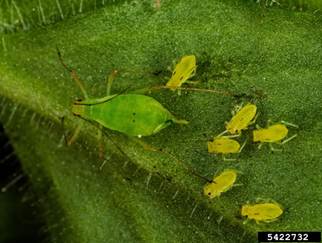
Figure 1. Green peach aphid adult and nymphs. Image courtesy invasive.org.
Differentiating Green Peach Aphid from Other Aphid Species
Cabbage aphids are typically covered in a grayish-white waxy bloom (Figure 2) and often form dense, crusty colonies on the youngest leaves and flower stalks. Turnip aphids are light green and lack the waxy bloom seen on cabbage aphids. They often have dark bands across the abdomen (Figure 3).
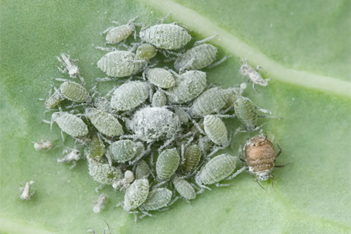
Figure 2. Cabbage aphid adults and nymphs. The brown, globular aphid in the bottom right has been parasitized (aphid mummy). Image courtesy biologicalservices.com/au.
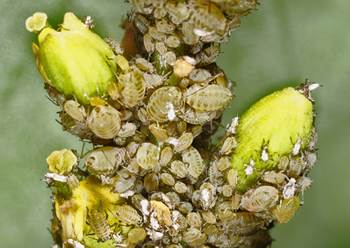
Figure 3. Turnip aphid adults and nymphs. Image courtesy Claude Pilon.
Green Peach Aphid Scouting and Distribution
Green peach aphids typically colonize the undersides of lower leaves first. This differs from cabbage aphids, which more often infest terminal buds and flower stalks.
Where to look: Focus on the undersides of leaves in the mid- to lower canopy. Green peach aphids are often solitary or found in small, scattered groups rather than the large, tight colonies commonly associated with cabbage aphids.
Sampling: Examine 5 to 10 plants in at least 10 different areas of the field.
Signs of injury: Watch for yellowing (chlorosis), leaf curling, or stunted growth, which are common symptoms of green peach aphids feeding.
Green Peach Aphid Management and Thresholds
Because canola can compensate for some early-season feeding injury, insecticide applications should be based on established thresholds.
Economic threshold: Treatment is generally recommended when populations reach 50 to 100 aphids per plant before flowering. Use the lower end of that range when the crop is moisture stressed. From budding to early bloom, treatment may be justified when 20% of racemes are infested with 25 to 50 or more aphids. For cabbage aphid, the comparable threshold is 15% infested racemes. Oklahoma State University research suggests that an average of one turnip aphid or one green peach aphid per plant during reproductive stages may result in approximately 0.5 lb/acre of yield loss. Treatment decisions should always be weighed against crop value and application cost.
Biological control: Before spraying, check for beneficial insects such as lady beetles, lacewings, and parasitic wasps. Aphid mummies are a good indicator of parasitism. When temperatures are warm enough for beneficials to remain active, they can substantially reduce aphid populations.
Chemical Control for Green Peach Aphid and Resistance Warning
Green peach aphids are well known for developing resistance to several insecticide classes, especially older pyrethroids and organophosphates.
Product Selection: Several insecticides are labeled for aphids in canola, but products containing sulfoxaflor (Transform WG) or flupyradifurone (Sivanto Prime) have generally shown strong efficacy against green peach aphid while being relatively less disruptive to beneficial insects. Be aware that some products have restrictions related to bloom timing, petal fall, and preharvest intervals. Always read and follow the label. For a list of registered insecticides and rates, refer to CR-7667: Management of Insect and Mite Pests in Canola.
Coverage: Because green peach aphid commonly feeds on the undersides of lower leaves, thorough coverage is critical. Use high carrier volumes of at least 10 to 15 gallons per acre for ground applications. For aerial applications, at least 10 gallons per acre is recommended.
The information given herein is for educational purposes only. Reference to commercial products or trade names is made with the understanding that no discrimination is intended and no endorsement by the Cooperative Extension Service is implied.
Army Worms are Marching!!!!
This article by Brian Pugh (new OSU State Forage Specialist) just came across my desk today in perfect timing as yesterday I saw significant army worm feeding on the crabgrass in my lawn, and not to mention the 20+ caterpillars on my sidewalk. So while Brian is noting Eastern Ok, Id say we are at thresholds in Payne Co also. And no, we don’t need to discuss that my lawn as more crabgrass than Bermuda.
Fall Armyworms Have Arrived In Oklahoma Pastures and Hayfields
Brian C. Pugh, Forage Extension Specialist
Fall armyworms (FAW) are caterpillars that directly damage Bermudagrass and other introduced forage pastures, seedling wheat, soybean and residential lawns. There have been widespread reports of FAW buildups across East Central and Northeast Oklahoma in the first two weeks of July. Current locations exceeding thresholds for control are Pittsburg, McIntosh and Rogers counties.

Female FAW moths lay up to 1000 eggs over several nights on grasses or other plants. Within a few days, the eggs hatch and the caterpillars begin feeding. Caterpillars molt six times before becoming mature, increasing in size after each molt (instars). The first instar is the caterpillar just after it hatches. A second instar is the caterpillar after it has shed its skin for the first time. A sixth instar has shed its skin five times and will feed, bury itself in the soil, and pupate. The adult moth will emerge from the pupa in two weeks and begin the egg laying process again after a suitable host plant is found. Newly hatched larvae are white, yellow, or light green and darken as they mature. Mature FAW measure 1½ inches long with a body color that ranges from green, to brown to black.

Large variation in color is normal and shouldn’t be used alone as an identifying characteristic. They can most accurately be distinguished by the presence of a prominent inverted white “y” on their head. However, infestations need to be detected long before they become large caterpillars. Small larvae do not eat through the leaf tissue, but instead, scrape off all the green tissue and leave a clear membrane that gives the leaf a “window pane” appearance. Larger larvae however, feed voraciously and can completely consume leaf tissue.

FAW are “selective grazers” and tend to select the most palatable species of forages on any given site to lay eggs for young larvae to begin feeding. The caterpillars also tend to feed on the upper parts of the plant first which are younger and lower in fiber content. Forage stands that are lush due to fertility applications are often attacked first and should be scouted more frequently.

To scout for FAW, plants from several locations within the field or pasture need to be examined. Examine plants along the field margin as well as in the interior. Look for “window paned” leaves and count all sizes of larvae. OSU suggests a treatment threshold is two or three ½ inch-long larvae per linear foot in wheat and three or four ½ inch-long larvae per square foot in pasture. An easy-to-use scouting aid can be made for pasture by bending a wire coat hanger into a hoop and counting FAW in the hoop. The hoop covers about 2/3 of a square foot, so a threshold in pasture would be an average of two or three ½ inch-long larvae per hoop sample. An excellent indicator plant in forage stands is Broadleaf Signalgrass (seen in the foreground of the hay bale picture). Broadleaf Signalgrass tends to be preferentially selected by female moths and is one of the first species that window paned tissue is observed during the onset of an infestation.
Approximately 70% of the forage consumed during an armyworm’s lifetime occurs in the final instar before pupating into a moth. This indicates that control measures should focus on small instar caterpillars (1/2 inch or less) before forage loss increases exponentially. Additionally, small larvae are much more susceptible to insecticide control than larger caterpillars.

Remember, FAW are actively reproducing up until a good killing frost, so don’t let your guard down. If you think you have an infestation of fall armyworm please contact your local County Extension Educator. Additionally, before considering chemical control consult your Educator for insecticide recommendations labeled for forage use.
For more information or insecticide options consult:
Oklahoma State University factsheet:
CR-7193, Management of Insect Pests in Rangeland and Pasture
https://extension.okstate.edu/fact-sheets/management-of-insect-pests-in-rangeland-and-pasture.html
 Down and Dirty with NPK